Snakes
There are 5 snake species that are endangered or at risk of being endangered in New York State.
They are the Eastern Massasauga Rattlesnake, Queen Snake, Timber Rattlesnake, Eastern Hognose Snake, and Worm Snake.
(In order from most at danger to least).
The Eastern Massasauga Rattlesnake
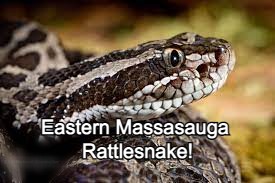
This is the eastern massasauga rattlesnake. This snake is listed as an endangered species
in New York. They are found in wetland/swamp areas and wet prairies in central New York as
well as in bordering states. The most notable reasons of decline are loss of habitat to
development and agriculture, unregulated hunting, and snake collecting. They are also
killed because people fear snakes in general and mistakenly think of them to be a threat.
The Queen Snake
![]()
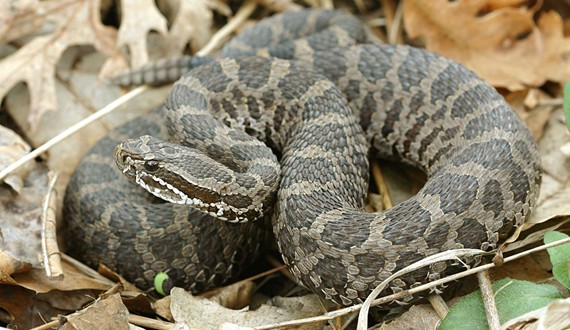
This is the queen snake. Although it is one of the more rare snakes in New York, it is
labeled as an endangered species in NY. They are found in warm, wet habitats, along rivers
and creeks around the east side of the US. These snakes are threatened by habitat destruction
from the alteration of habitat features and the fragmentation of habitat by roads or other
barriers. They are also greatly affected by any chemical pollutants in the water
(plastic, rubber, aluminum, oil/liquids, etc).
![]()
The Timber Rattlesnake
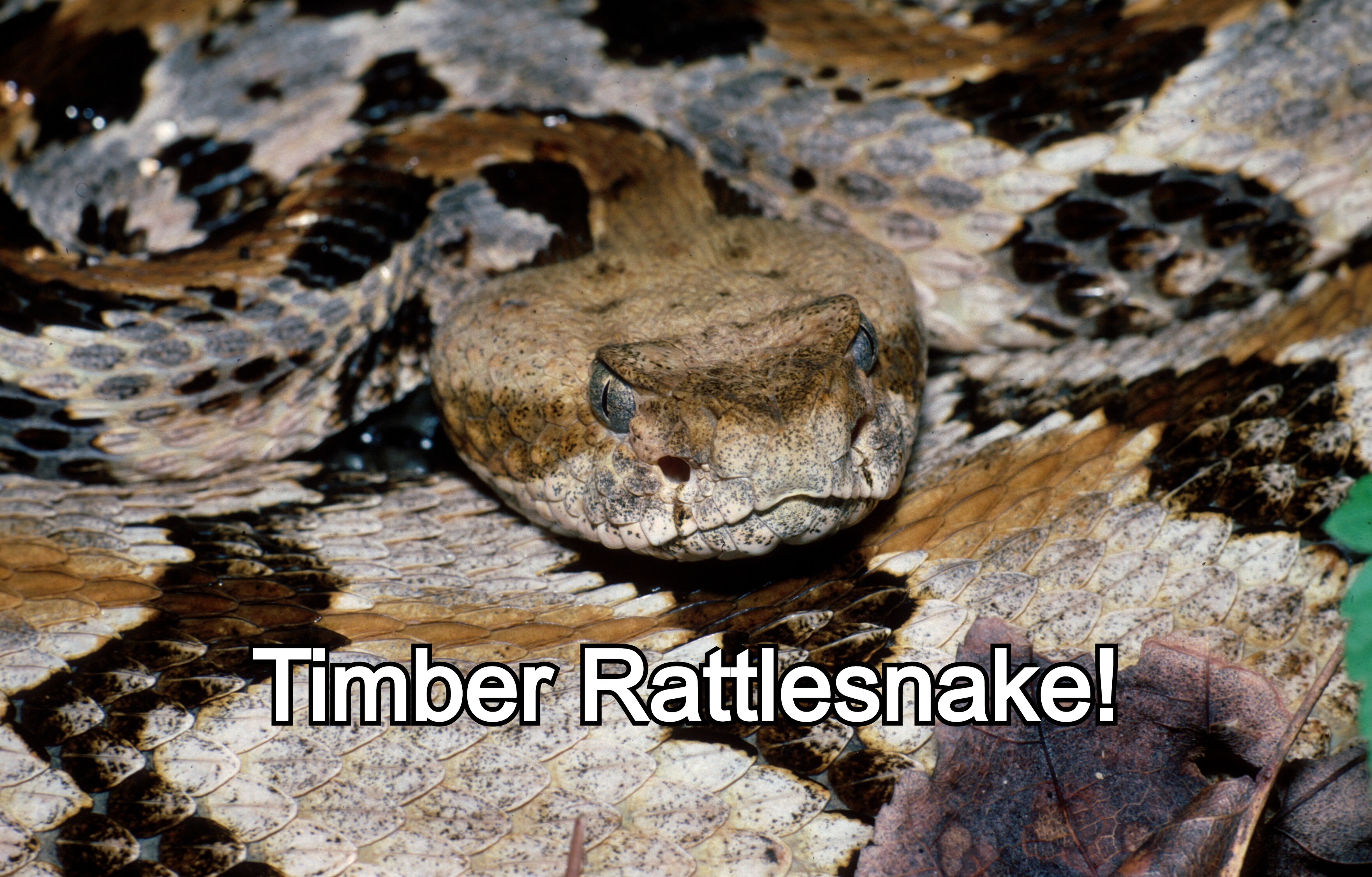
This is the timber rattlesnake. This snake is labeled as a threatened species in NY,
which means they are likely to become an endangered species in the near future. They
are found in forests and rocky areas around the southeast side of the US. These snakes
are also threatened by habitat destruction, road mortality, illegal collection and hunting.
The Eastern Hognose Snake
![]()
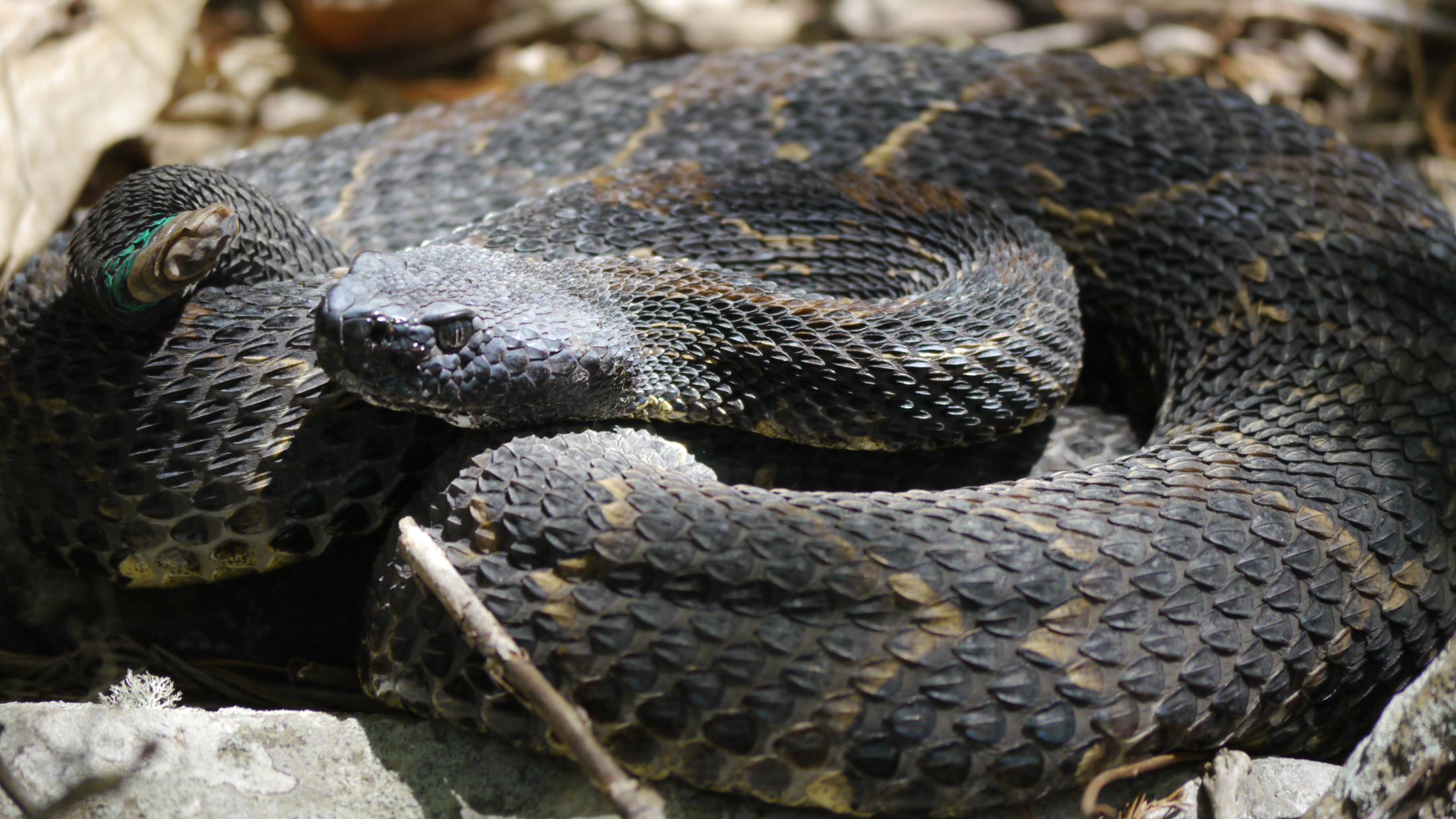
This is the eastern hognose snake. They are listed as special concern, which means they are
at risk of being endangered. They are found in woody areas, like forests, or sandy areas
in the northern parts of New York as well as in some bordering states. Their typical
threats include, loss of habitat to suburban development, fragmentation by roads, road
mortality, and collection for the pet trade. Like the eastern massasauga, they are often
killed by people who think of them as threats.
![]()
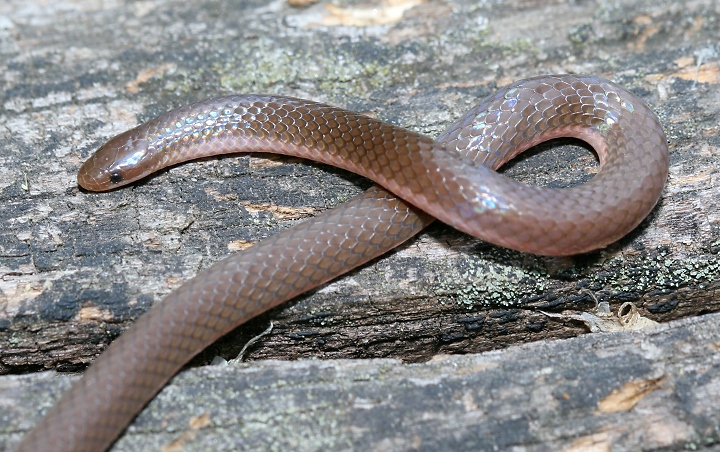
The Worm Snake
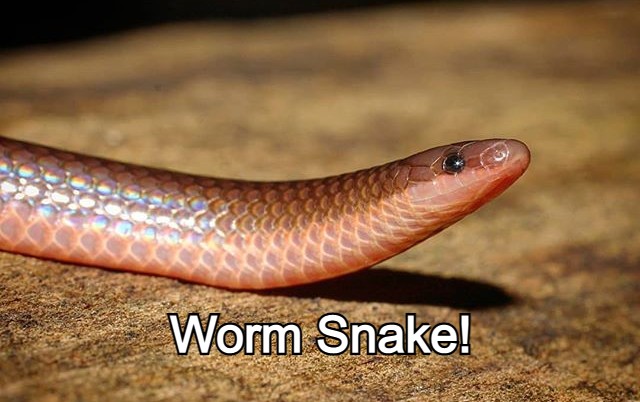
This is the worm snake. They are also listed as special concern. They are found in woody
areas in southeastern New York and in bordering states. Their primary threat is habitat
loss due to suburban development. Sandy areas that worm snakes inhabit are also frequently
used by off-road vehicles. Flooding of wooded lowlands and forest fires are also harmful to
worm snake populations.
How you help
Although there isn't much you can actively do to help these snakes, that doesn't mean
you can't help at all. Always follow any Environmental Conservation Laws, which are
usually outlined on signs near a protected site. Even if there are no signs, the basic
actions you should keep in mind is to not litter, on both land and water, and do not
start a forest fire. Another big thing youshould be aware of is, if you ever encounter
a snake, just walk away. Whether or not you have knowledge on snakes. This will protect
both you and the snake.
| Animal |
Fun Facts |
| Eastern Massasauga Rattlesnake |
The Massasauga snake returns to the same hibernation area every year in their habitat.
|
| Queen Snake |
Queen snakes have armor-like scales on the top of their head and multiple rows of tough
scales beneath their chins to safeguard their head when crawling under heavy rocks and
on rough surfaces
|
| Timber Rattlesnake |
Timber rattlesnakes don't lay eggs. The foot-long baby rattlers are born encased within
a membrane that they immediately shed. They are born with venom in their hollow fangs and
a small “button” rattle.
|
| Eastern Hognose Snake |
Hognose snakes have saliva that's venomous or poisonous depending on whom you ask. It
hardly affects humans, but it's lethal to the small prey they eat.
|
| Worm Snake |
Although the worm snake looks much like an earthworm, its primary diet consists of earthworms.
|