Turtles
There are 5 turtle species that are endangered in New York State.
They are the Southeastern Mud Turtle, Bog Turtle, Atlantic Hawksbill
Sea Turtle, Kemp's Ridley Sea Turtle, and Leatherback Sea Turtle.
The Southeastern Mud Turtle
![]()
This is the southeastern mud turtle. They are found all over the southeast side
of the US in wetland areas, like marshes and ponds.They are most threatened by
the loss of habitat due to urban development, road mortality, human-commensal
predators (a layer of bacteria on human skin), collection for illegal pet trade,
and pollution from oils, road salt, insecticides, pesticides, and etc.
![]()
The Bog Turtle
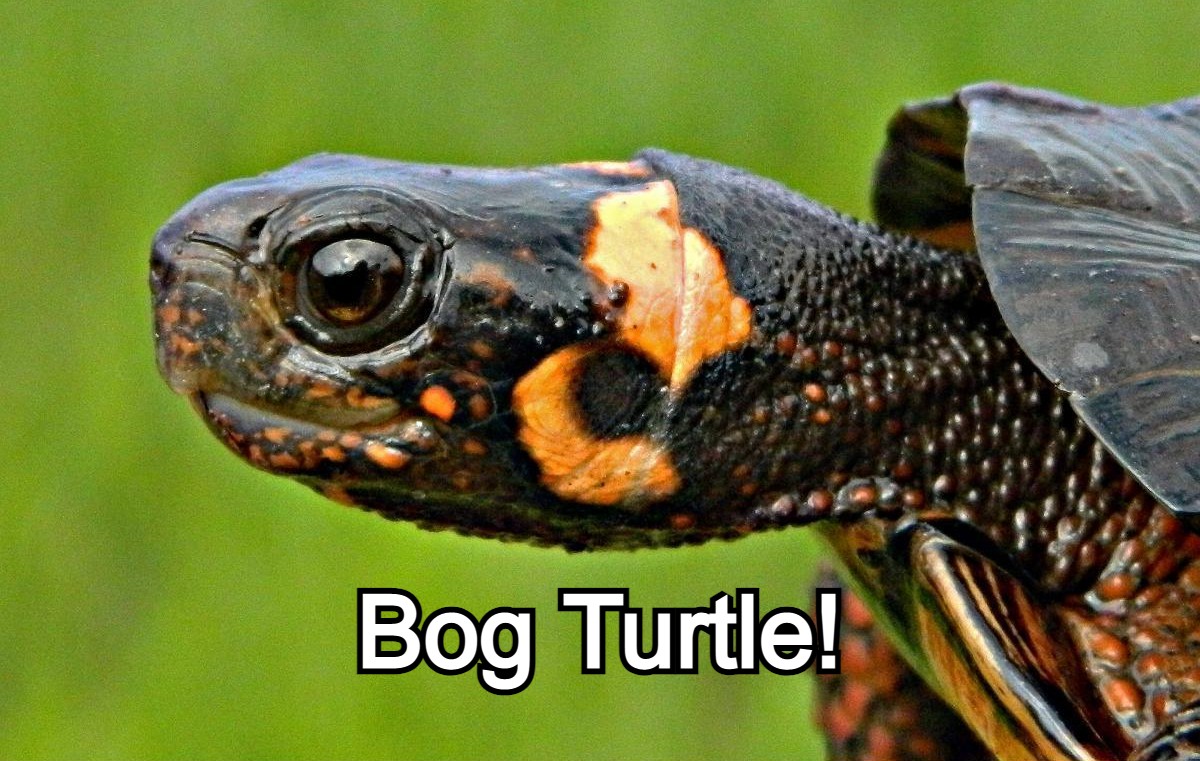
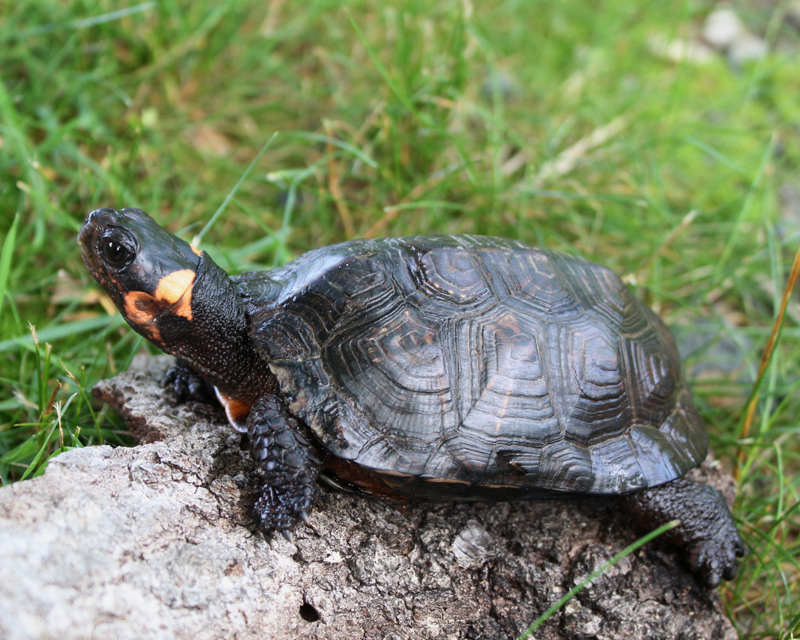
This is the bog turtle. They are a slightly scattered species, but a large
portion of their population is around New York, New Jersey, and Pensylvania.
They live in wet areas with shallow, slow-moving water. Their primary threats
are loss of habitat and illegal collecting. In New York, development and
natural succession are also major threats.
The Atlantic Hawksbill Sea Turtle
![]()
This is the atlantic hawksbill sea turtle. They are found in waters near NY
and Massachusetts. However, as a seaturtle they travel all around and
between countries. They typically stay in areas close to the shore.
Their biggest threat is the destruction of their nests, which are on
shore. Tourism has increased the risk of their nests being damaged.
Another threat is fishing wires and nets in nearby waters. Since
hawksbill sea turtles live so close to shore, they are easily entrapped
by fishing supplies left in the water.
![]()
The Kemp's Ridley Sea Turtle
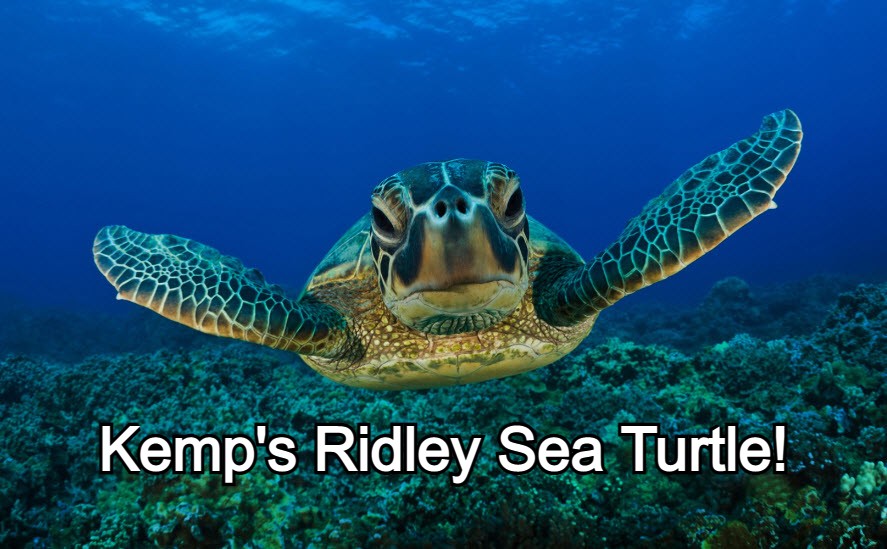
This is the Kemp's Ridley sea turtle. They are the second most common turtle
in NY. They are found in southeast areas of North America (east of the US
and Mexico). They can be found near the shore but typically stay farther
out. A major threat they face is also fishing materials like netting, and
wires. Also as these turtles do not go out to far into open waters, they
are also at risk of being hit by water vehicles.
The Leatherback Sea Turtle
![]()
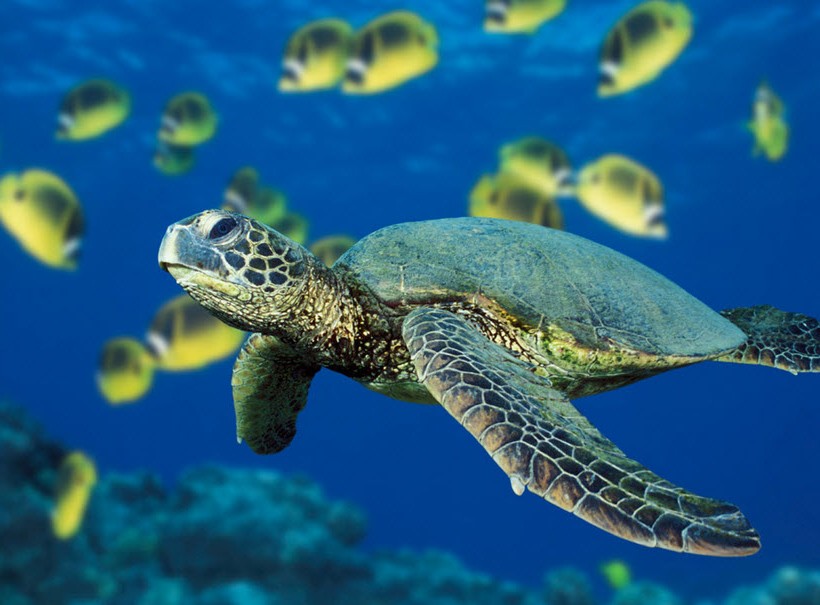
This is the leatherback sea turtle. They are one of the largest reptile on
Earth. They are found in northeast of North America (east of the US and
Canada) as well as many other countries. Although they can travel far,
they are typically found in deep waters near the shore. Like the other
sea turtles, a major threat is fishing materials in the water. As they
live near the shore, they are harshly effected by the nets and wires.
![]()
How you help
Although there isn't much you can actively do to help these turtles, that doesn't mean
you can't help at all. Make sure to follow all Environmental Conservation Laws, which
are usually shown on signs near any protected sites. Even if there are no signs, keep
in mind to not litter, on both land and in water. Also, do not try to touch wild turtles,
especially smaller turtles, as our touch can often be harmful to them.
| Animal |
Fun Facts |
| Southeastern Mud Turtle |
Unlike other reptiles that live in the water, mud turtles are hardly seen basking
(laying under warmth).
|
| Bog Turtle |
Bog turtles are one of the smallest turtle species the world, with adults growing
no more than 4.5 inches long. |
| Atlantic Hawksbill Sea Turtle |
Hawksbill sea turtles are immune to natural toxic/poisonous material
like, coral reef sponges, which are their primary source of food.
These sponges are toxic due to the spicules (glass-like spines) they contain. |
| Kemp's Ridley Sea Turtle |
Male Kemp's Ridley sea turtles don't go back to shore after they hatch,
spending their entire lives at sea. |
| Leatherback Sea Turtle |
The Leatherback sea turtle is the only turtle that does not have a hard shell.
Instead, they have a thin, tough, leathery skin with 7 distinct ridges that
travel the length of their shell. This gives the turtle the ability to dive
down to 1,200m, which is deeper than any other turtle species. |